
A Conservative Path to Saving a Damaged Tooth
When a tooth breaks or decays below the gum line, many patients assume extraction is the only option. Orthodontic extrusion offers a conservative path forward by repositioning the tooth so it can support a strong, natural-looking restoration.
With this approach, Dr. Fava, Dr. Schoenebeck, Dr. Cutler, and Dr. Klass, help preserve your natural tooth, maintain balanced gum levels, and avoid more invasive procedures whenever possible.
The Value of Orthodontic
Extrusion
Preserves Your Natural Tooth
Keeping your natural tooth avoids extraction and the complications that come with it. This helps maintain jawbone strength, keeps your bite stable, and protects your long-term oral health so your smile stays functional and natural.
Maintains a Natural Gumline
Instead of reshaping multiple teeth and gums, Dr. Fava, Dr. Schoenebeck, Dr. Cutler, and Dr. Klass use this technique to gently focus on the tooth that needs care. The result is a balanced, symmetrical smile that looks healthy and natural, keeping your gumline intact.
Creates a Strong Foundation for a Crown
By carefully moving the tooth into the right position, enough healthy structure is exposed to support a lasting crown. This ensures your restoration is strong and blends seamlessly with your smile for long-term success.
A Thoughtful Alternative to Traditional Surgery
Orthodontic extrusion is a specialized technique used when a tooth is damaged below the gum line due to fracture, deep decay, or previous dental work.
Instead of removing surrounding gum and bone from multiple teeth, the tooth is slowly and gently moved upward. This exposes enough healthy structure for a crown or other restoration while preserving surrounding tissues.
This approach often converts what would be a multi-tooth surgical procedure into a focused, single-tooth treatment.
From Damage to Restoration:
The Journey
Evaluation and Planning
Dr. Fava, Dr. Schoenebeck, Dr. Cutler, and Dr. Klass perform a detailed exam and imaging to determine whether the tooth can be successfully repositioned and restored.
Gentle Tooth Movement
Small orthodontic brackets are placed on the affected tooth and nearby teeth. Controlled pressure slowly guides the tooth upward over several weeks.
Tissue Adjustment
Once the tooth reaches the ideal position, our doctors perform a minor procedure to reshape the gum and bone around that single tooth.
Final Restoration
A custom crown is placed to restore strength, function, and appearance.
Dentistry Designed for Your Quality of Life
Meet our team, experts who combine advanced technology with compassionate care. Dr. Fava, Dr. Schoenebeck, Dr. Cutler, and Dr. Klass focus on improving your quality of life, guiding you with clear education, and delivering dental solutions that keep you healthy and confident.
Your Tooth Deserves a Second Chance
A tooth damaged below the gum line does not automatically mean tooth loss. With orthodontic extrusion, Dr. Fava, Dr. Schoenebeck, Dr. Cutler, and Dr. Klass create the space needed to rebuild and protect your smile while preserving natural structures.
If you’ve been told a tooth may need removal, a second look could open the door to a more conservative option.
Reconstructive Procedures
Reconstructive Care
Orthodontic Extrusion
Frequently Asked Questions
What is orthodontic extrusion?
Orthodontic extrusion is a technique that slowly moves a tooth upward so healthy tooth structure becomes visible above the gum line. This allows the tooth to be restored with a crown instead of removed.
Why would I need orthodontic extrusion?
You may need this treatment if a tooth is fractured, decayed, or damaged below the gum line and does not have enough exposed structure to support a restoration.
Is orthodontic extrusion painful?
Most patients experience mild pressure similar to traditional orthodontic treatment. Discomfort is typically minimal and temporary.
How long does orthodontic extrusion take?
The tooth movement usually takes 2–4 months, followed by placement of a crown once healing is complete.
Is this better than traditional crown lengthening?
In many cases, yes. Orthodontic extrusion focuses on a single tooth rather than reshaping the gum and bone around multiple teeth, which helps maintain a natural gumline.
Will I still need a crown afterward?
Yes. After the tooth is repositioned and tissues heal, a crown is placed to restore strength, function, and appearance.
Can orthodontic extrusion prevent tooth extraction?
In many situations, it allows a tooth that might otherwise be removed to be restored and kept in place.
Who is a good candidate for orthodontic extrusion?
Patients with deep fractures, decay below the gum line, or teeth that need additional structure for a crown may be good candidates after a comprehensive exam.

Get Started Today
Top-Rated Periodontics & Implants
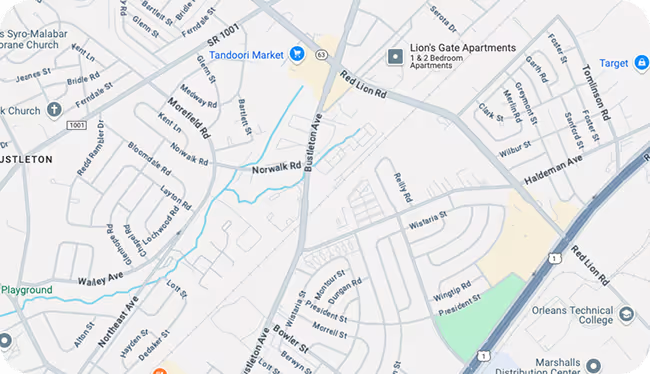
NE Philadelphia Location
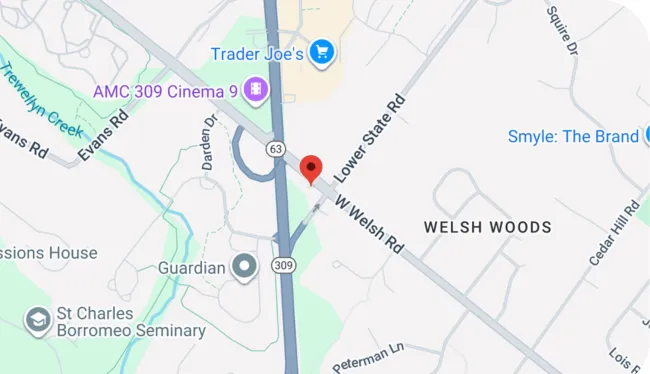
Lower Gwynedd Location
Lower Gwynedd Township, PA 19002